
Designing With Restraint — Why Knowing When to Stop Matters in Residential Interior Design
January always feels like a good time to actually look at our homes again. The holidays are behind us, and all of a sudden we notice the things we’ve been living with for months — the corners that look crowded, the shelves that feel cluttered, the surfaces that have slowly collected “stuff.”
If you’re thinking about how your home interior design feels this month, let’s talk about something most people don’t: knowing when to stop adding to a space. Because in design, adding is easy — editing is where the real impact happens.
What Restraint Really Means in Interior Design
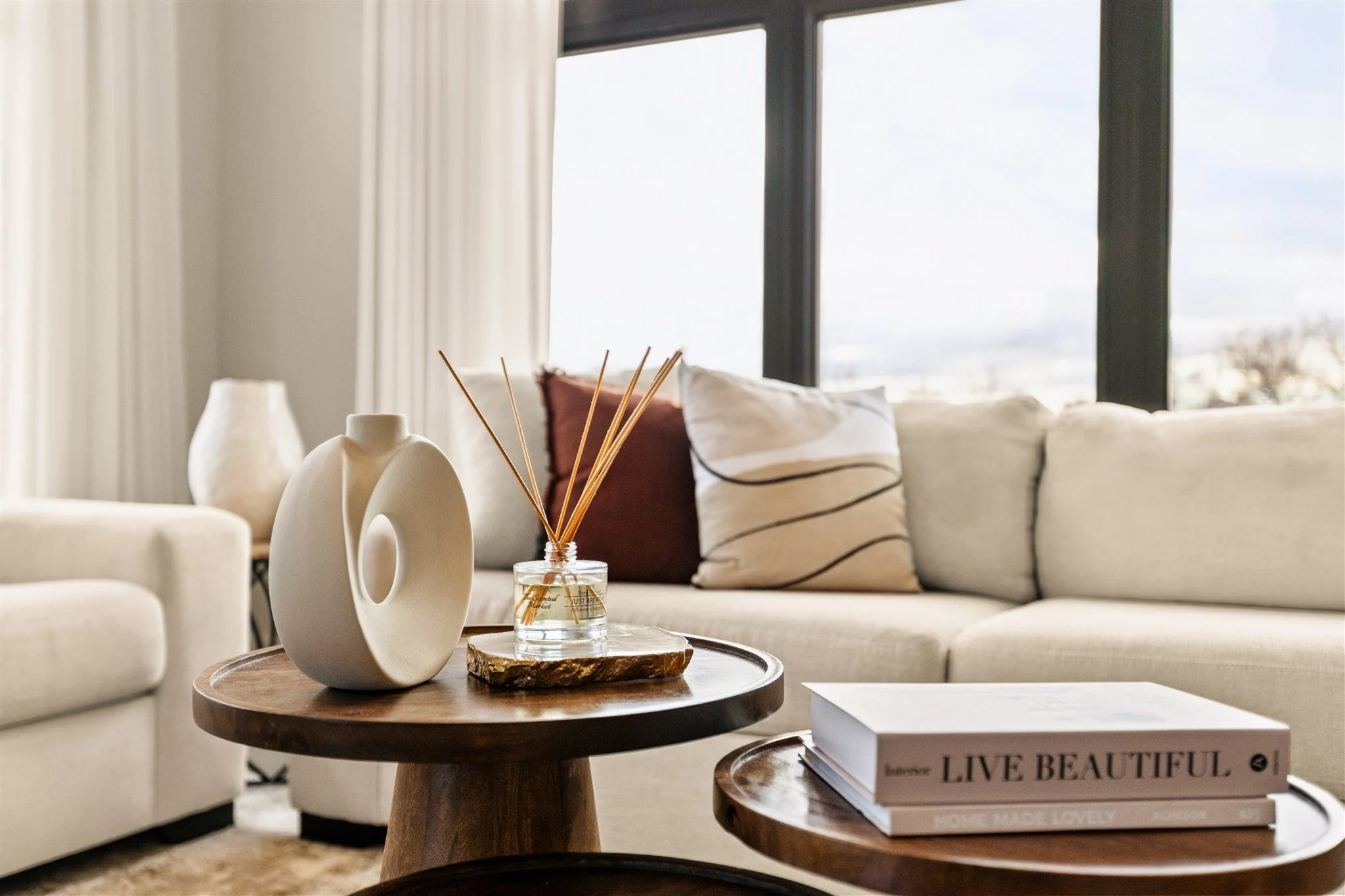
When I talk about design restraint, I’m not suggesting you strip a room down to bare basics or embrace any specific trend. Restraint in residential interior design is not:
Minimalism for minimalism’s sake
Cold, empty spaces
Removing personality
Restraint instead is about clear design decision-making — starting with thoughtful space planning, functional layout, and material choices that serve purpose and longevity. It’s about choosing the right finishes, lighting, furniture, and scale — rather than simply adding more.
This approach matters whether you’re refreshing a living room, planning a renovation, or working with a designer to reimagine an entire home.
Why Knowing When to Stop Matters in Design
It’s tempting to keep layering. A pillow here, a stack of books there, a decorative object “just to fill the space.” But when everything is trying to stand out, the room loses its focus.
Designing with restraint leads to spaces that are:
Calm rather than visually busy
Balanced in scale and proportion
Functionally intuitive
More timeless and less trend-dependent
These are the qualities homeowners often seek when they’re searching for design inspiration or planning to work with a residential interior designer on a renovation or project.
January’s slower pace can help us see our spaces with fresh eyes — not to overhaul them, but to refine them.
Over-Design (And How to Avoid It)
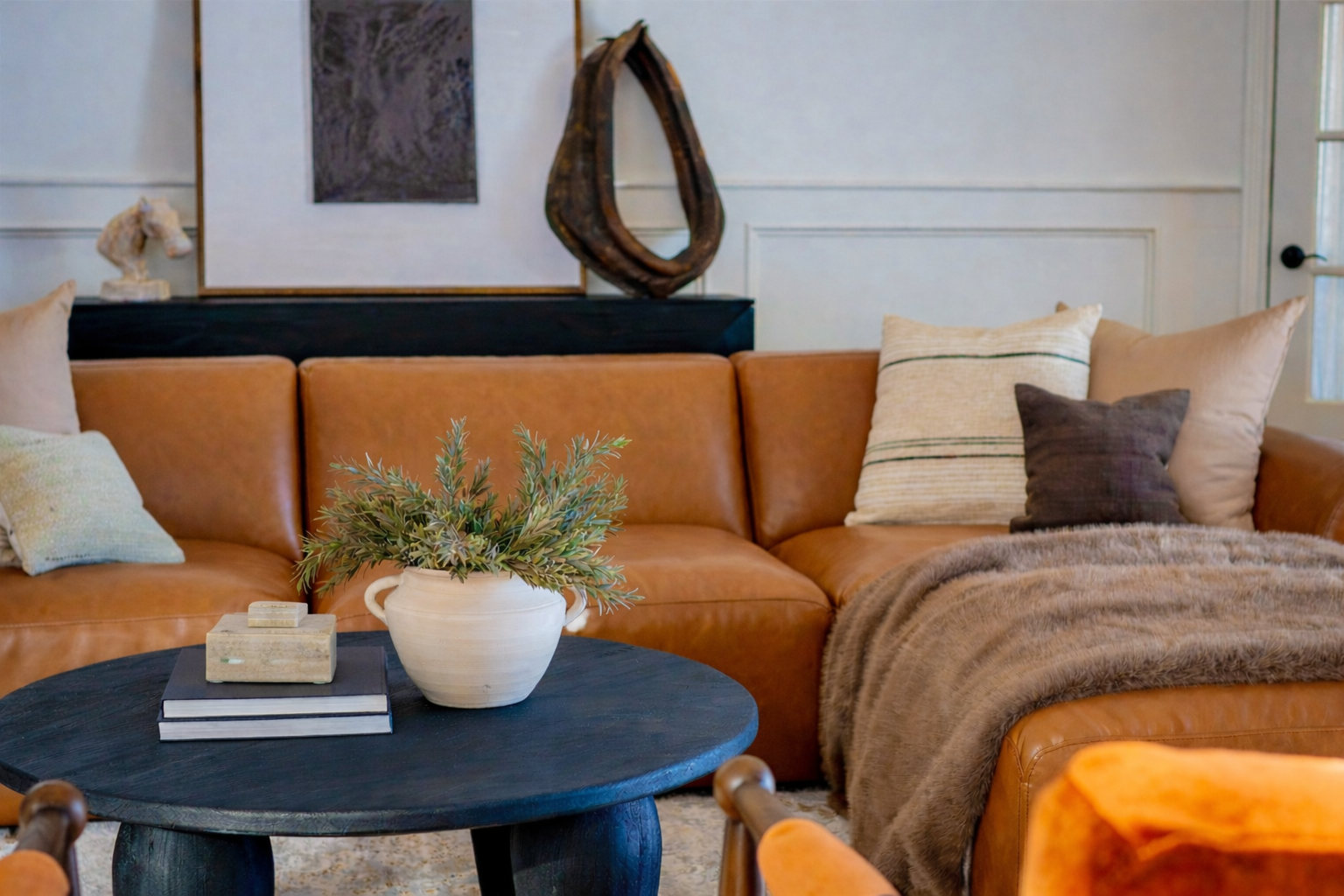
Even experienced design professionals see common patterns where too much gets added without purpose:
Entry tables crowded with accessories
Mantels layered with “just-in-case” items
Walls competing for attention with multiple focal points
Rooms combining conflicting materials or finishes
There’s a difference between curated and collected without intention. Keeping design restraint in mind helps prioritize what truly works for how people live in a space.
When to Add — and When to Stop
Design restraint doesn’t happen by accident — it’s applied through a process that considers both aesthetic and functional design principles used in professional interior design.
Top steps in a designer’s approach include:
Space Planning and Function First — understanding how a room will be used, who uses it, and how traffic flows.
Material and Colour Story — selecting cohesive finishes and palettes for continuity.
Statement Pieces Over Clutter — a few intentional elements rather than many small ones competing for attention.
Editing with Purpose — stepping back, reviewing, and refining choices.
Asking Key Questions: “Does this add meaning — or just more visual noise?”
Whether you’re designing a family living space or involving a designer for a home renovation, these principles hold true.
For clients looking to blend their home with dedicated work areas — like a home office or studio — thoughtful restraint can help keep both residential comfort and professional function working in harmony.
Simple Ways to Practice Restraint
You don’t have to redesign your entire house to benefit from restraint in design. Try these practical ideas:
Start with one surface: clear it, then add back only what matters.
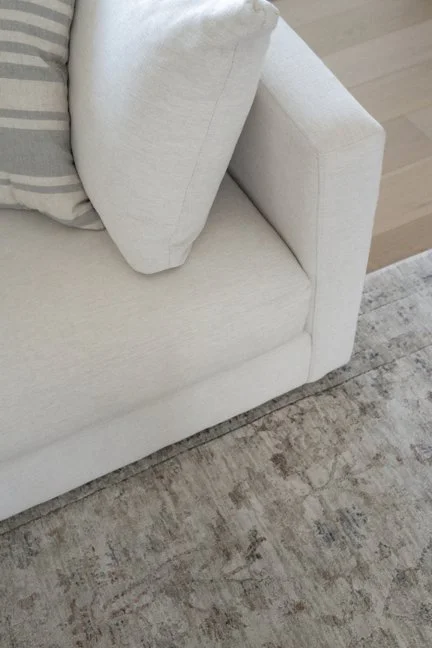
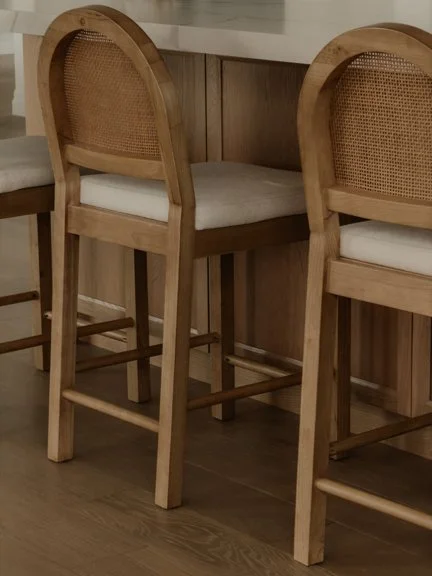
Repeat finishes throughout a room to maintain visual continuity.
Let space breathe: negative space matters as much as objects.
Ask “why” before you add something: not everything needs something.
These are simple ways to apply interior design principles to your everyday living environment.
Restraint Makes Room for Personality
A common misconception is that fewer elements mean less warmth or personality. In fact:
Bold furniture can shine with fewer competing pieces
Textures and materials become more tactile and appreciated
Architectural details become focal points
The people living in the space become the true centerpiece
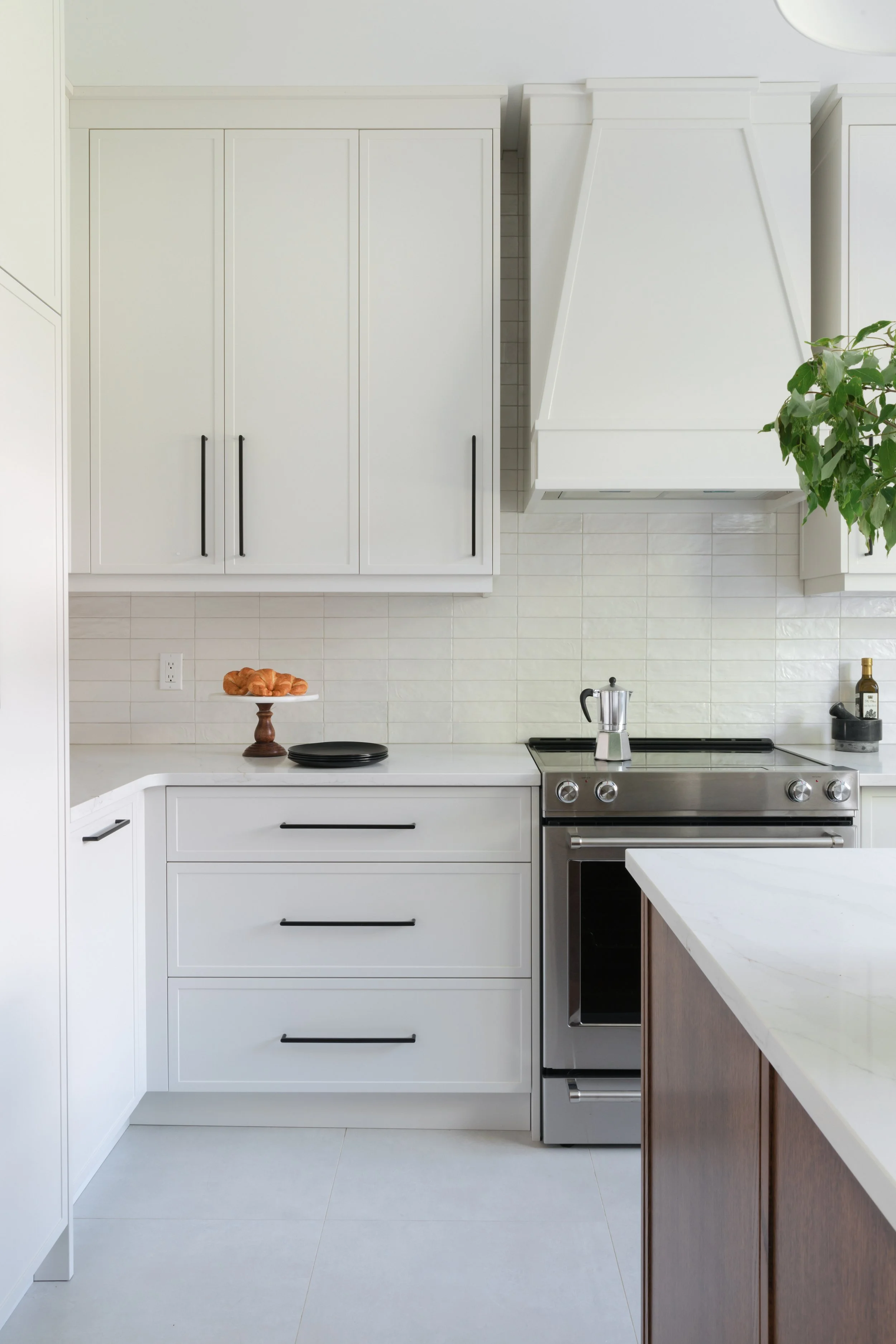
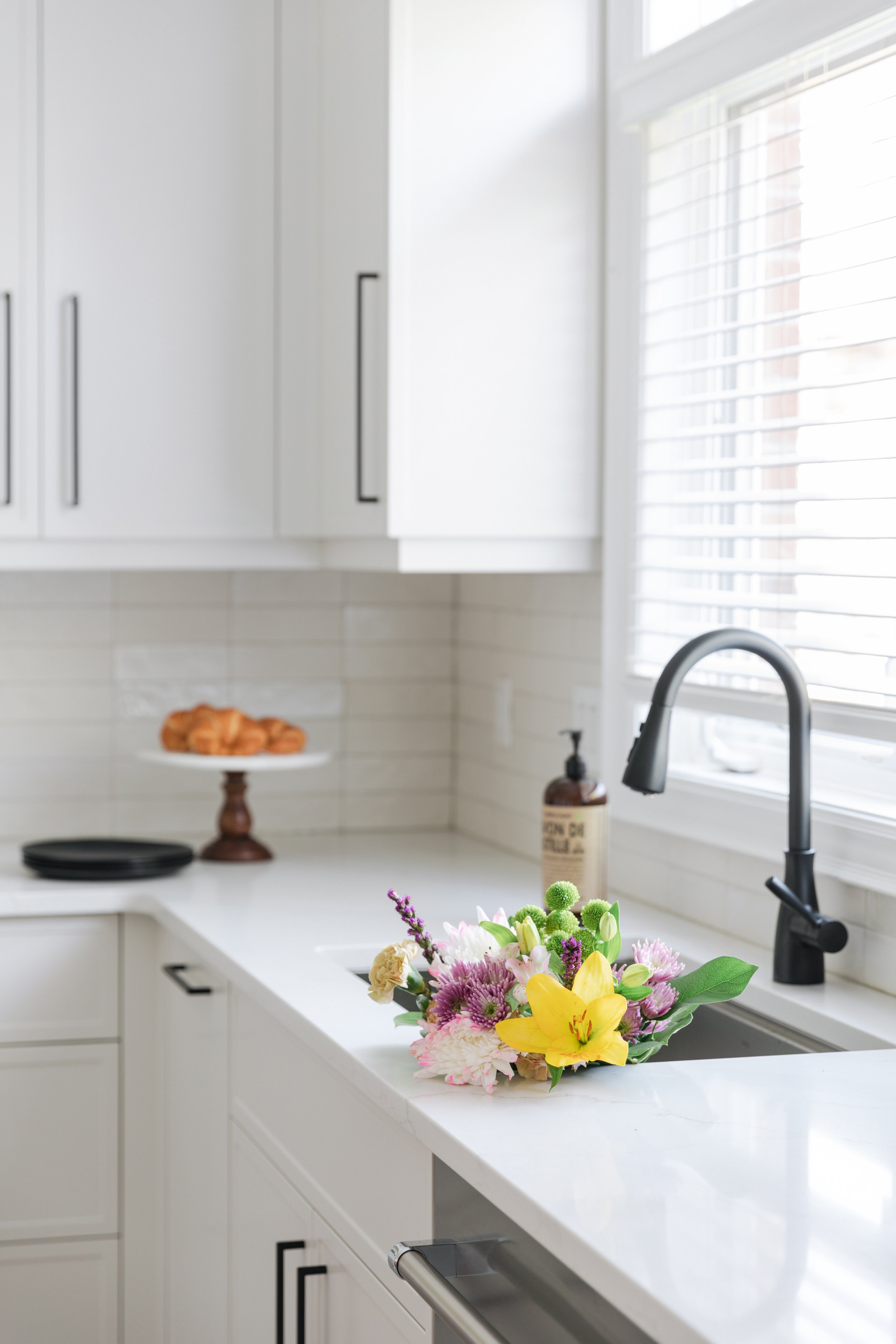
Design restraint isn’t about what you remove — it’s about what you allow to matter.
The Quiet Confidence of Good Design
Good interior design isn’t measured by how much you can add — it’s measured by how purposefully a space reflects the life it holds. This January, instead of chasing every trend or over-decorating for the sake of it, consider the power of restraint: thoughtful design choices that lead to spaces that feel calm, confident, and beautifully lived in.
Whether the project is residential or a boutique commercial space, the principle remains the same: restraint brings clarity. When every element has intention behind it, spaces feel grounded, welcoming, and quietly elevated.
A Final Note
If you’re exploring design support with that kind of focus, I’d love to help you create an environment that feels intentional and timeless!

Thank you, as always, for reading and for being part of this journey. There’s much more to share in the new year.