
Trends I Can Get Behind in 2026: Timeless Design for the Modern Home
As a designer, I’m always being asked about trends — what’s in, what’s out, what’s next.
The truth is, I don’t design around trends.
But every so often, there are a few shifts that align with how I already think about design — spaces that feel calm, practical, and easy to live in. Those are the ones worth paying attention to.
After a recent trends seminar (and seeing a lot of this play out in real projects), there were a few things that stood out — not because they’re “new,” but because they reinforce what actually works.
This past month was also a special one — celebrating Eid with family in Ottawa, and spending time back in Edmonton helping my family settle into their newly renovated home. It was a good reminder that at the end of the day, design isn’t about trends — it’s about how a space feels to live in.
Here are a few trends I can genuinely get behind this year:


1. A Warmer Kind of Neutral
Sherwin-Williams named “Universal Khaki” their Color of the Year — and while I’m not one to follow color trends closely, this one makes sense.
It’s warm, grounded, and incredibly versatile.
Think of it like the design equivalent of a really good neutral outfit — it works with everything but still has presence.
Colours like this create a foundation. They make a space feel balanced without trying too hard, and they allow everything else in the room to sit comfortably.
2. Quartz That Feels More Natural
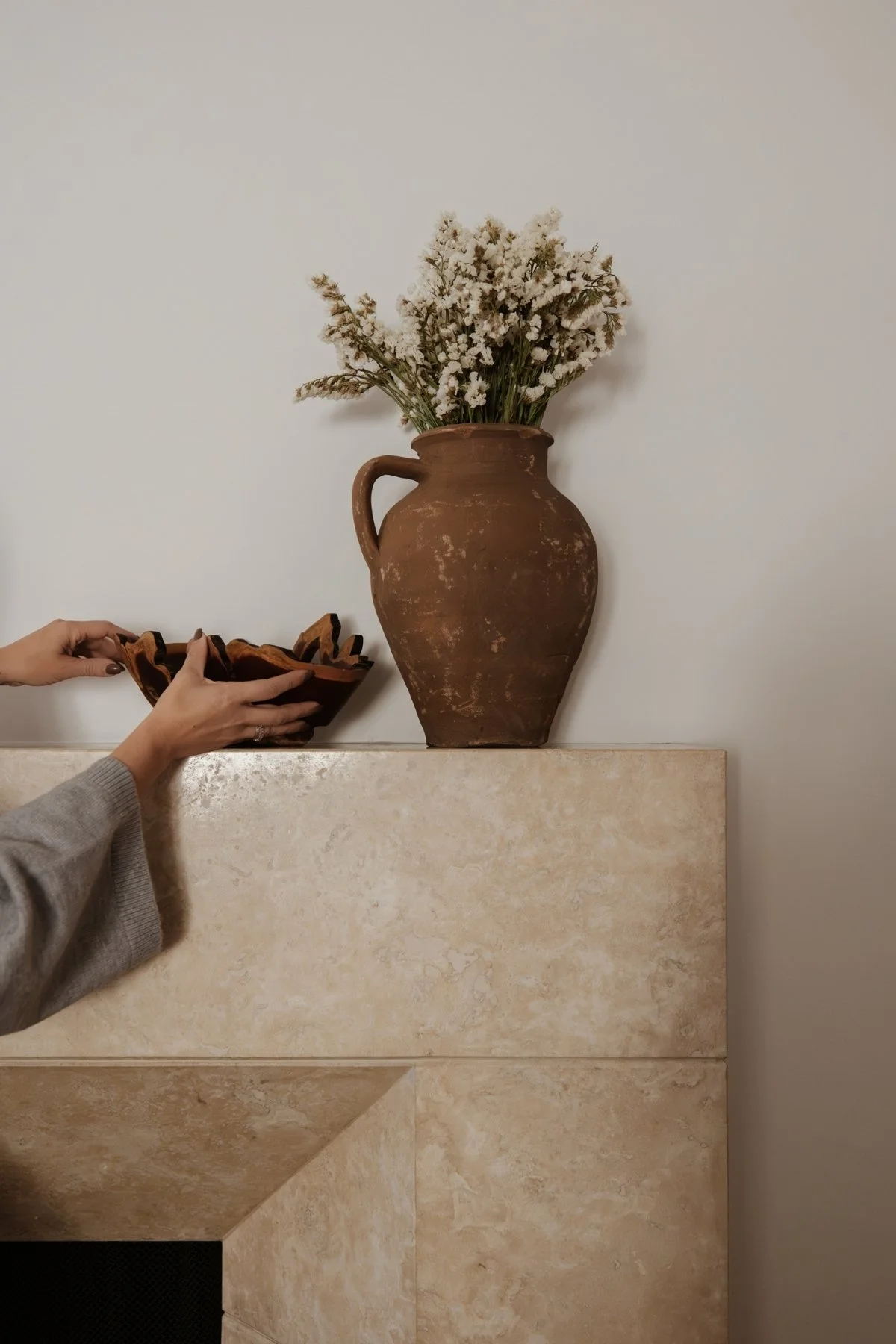

There’s a noticeable shift happening with quartz — and it’s a good one.
We’re moving away from overly polished, high-gloss surfaces and toward:
Matte finishes
Softer, more natural veining
Patterns that feel less “perfect”
The goal isn’t to mimic stone exactly — it’s to capture that slightly imperfect, organic feel.
And practically speaking, this is where quartz really shines. You get the durability clients need, but with a look that feels much more relaxed and elevated.
3. Controlled Maximalism (Done Properly)
This is one I’m seeing more and more — and when it’s done well, it’s beautiful.
Controlled maximalism isn’t about filling a space.
It’s about layering — thoughtfully.
Mixing textures
Incorporating meaningful pieces
Adding personality without losing clarity
The key word here is controlled. Every piece still has a purpose. The space still feels intentional.
It’s a great direction for clients who want their homes to feel personal, not staged.


4. Spaces That Feel Lived-In (Not Over-Styled)
This might be the biggest shift overall.
We’re moving away from spaces that feel overly polished or “done,” and toward homes that feel:
Softer
More natural
More lived-in
It’s less about perfection, and more about comfort.
And honestly, this is where good design should always land — a space that looks beautiful, but more importantly, feels easy to be in.
Final Thoughts
If there’s one thing all of these trends have in common, it’s this:
They’re not really trends — they’re a return to what works.
Warmth. Balance. Practicality. Spaces that feel like they belong to you.
That’s always been the goal.
And if a “trend” supports that, then it’s one worth keeping.
If you are planning an upcoming home design or renovation project and would like clarity before making selections, a design consultation is often the most effective place to begin.