
Interior Design Foundations: Cohesion
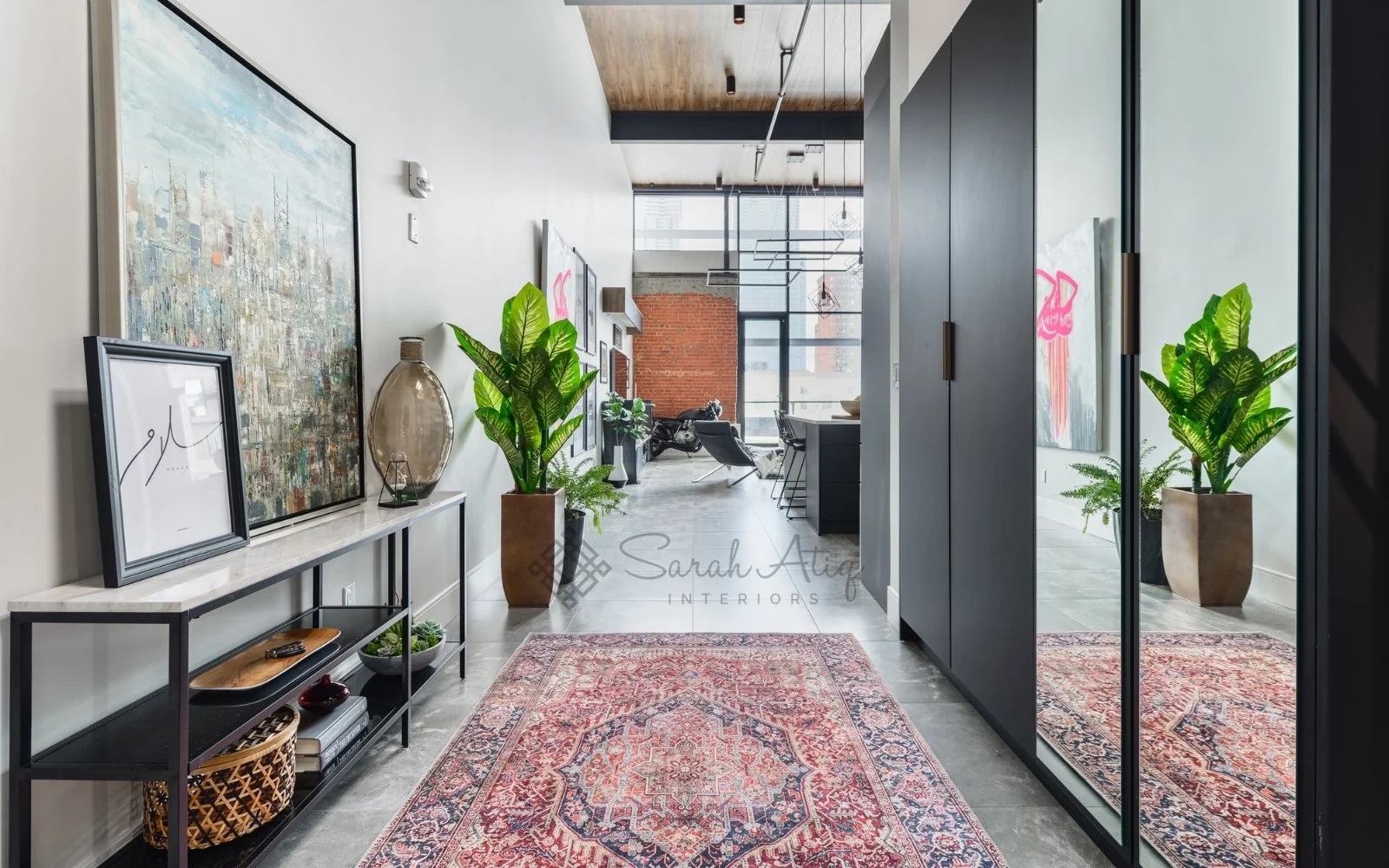
Why Some Homes Feel Complete (And Others Don’t)
This post is part of my ongoing Design Foundations series — a practical guide to building homes and spaces that feel thoughtful, balanced, and enduring.
March feels especially layered this year. With a few family birthdays, the rhythm of March Break at home, and the reflection that comes with Ramadan falling in this season, I’ve been thinking about how different energies can exist at the same time — movement and stillness, celebration and grounding.
Our homes function in much the same way.
They don’t need to be identical from room to room.
They don’t need to be perfectly matched.
But they do need to feel connected.
That connection is called cohesion.
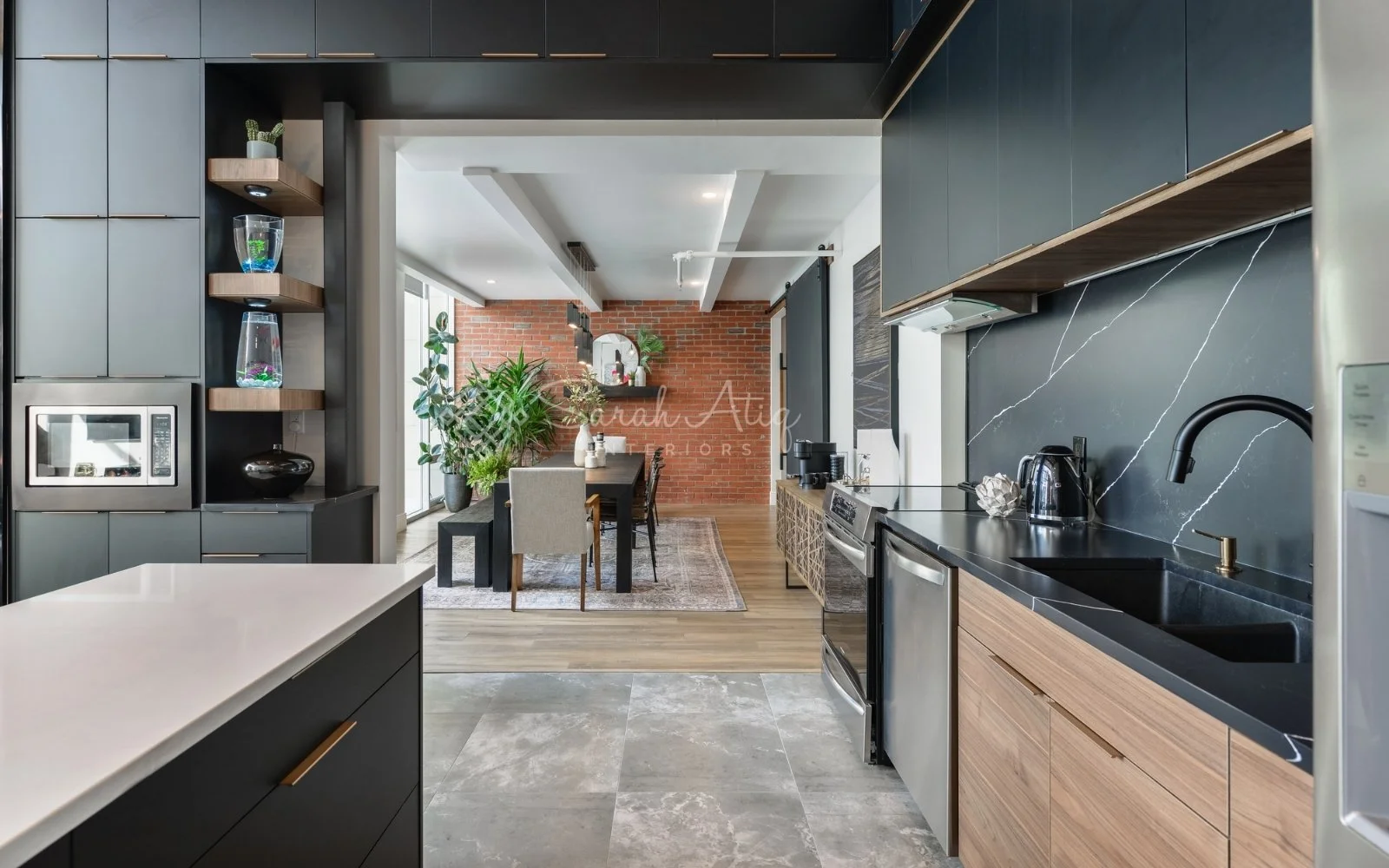
What Cohesion Really Means
Cohesion is one of the most overlooked principles in residential and commercial interior design — yet it is often the reason one space feels calm and complete while another feels slightly unsettled.
It is not about matching furniture sets.
It is not about repeating the same colour everywhere.
It is about unity.
Unity is what allows materials, scale, proportion, and finishes to work together as a single composition rather than a collection of individual decisions.
It is the invisible thread that carries tone, proportion, and intention from one space to the next, allowing your eye to move naturally through a home or commercial environment without disruption.
When unity is present, a space feels intentional.
When it’s missing, something feels slightly unresolved — even if each element is beautiful on its own.
Why Spaces Feel Disconnected

In both residential and commercial projects, decisions are often made in isolation.
A beautiful light fixture chosen without considering ceiling height.
Flooring selected without referencing adjacent materials.
Statement pieces layered without an overall direction.
In homes, this happens when rooms are updated one at a time.
In commercial spaces, it occurs when branding, layout, and material selections are not aligned early on.
The problem is rarely the individual choices.
It is the absence of a guiding framework.
Design is not about collecting beautiful elements.
It is about ensuring they belong to the same composition.
The Designer’s Invisible Framework
At the beginning of any project — whether a family home renovation or a commercial build — I establish a unifying direction.
Before finishes are finalized.
Before furniture is selected.
Before lighting is approved.
During the planning and concept phase, tone, material language, scale, and intention are defined clearly. That foundation quietly informs every decision that follows.
This is why well-designed spaces feel seamless. They were considered as a whole before they were executed in parts.
Unity is not added at the end.
It is designed from the beginning.
Unity Does Not Mean Uniform
There is a common misconception that cohesive spaces lack personality.
In reality, unity allows personality to feel intentional rather than chaotic.
When materials relate and proportions are consistent, you can introduce bold artwork, meaningful heirlooms, layered textures, or unexpected colour — and the space still feels grounded.
Earlier in this series, we explored restraint. Unity builds upon that principle.
Restraint prevents excess.
Unity prevents fragmentation.
Together, they create balance.
A Practical Way to Evaluate Your Space
If you are planning a renovation, new build, or phased update, pause and ask:
Do my materials share a consistent undertone?
Are my finishes repeating in a deliberate way?
Does each room feel like part of the same story?
If something feels unsettled, it may not require replacing everything. Often, subtle refinements — aligning wood tones, simplifying competing finishes, adjusting scale — restore clarity.
Unity is rarely about adding more.
It is about refining what already exists.

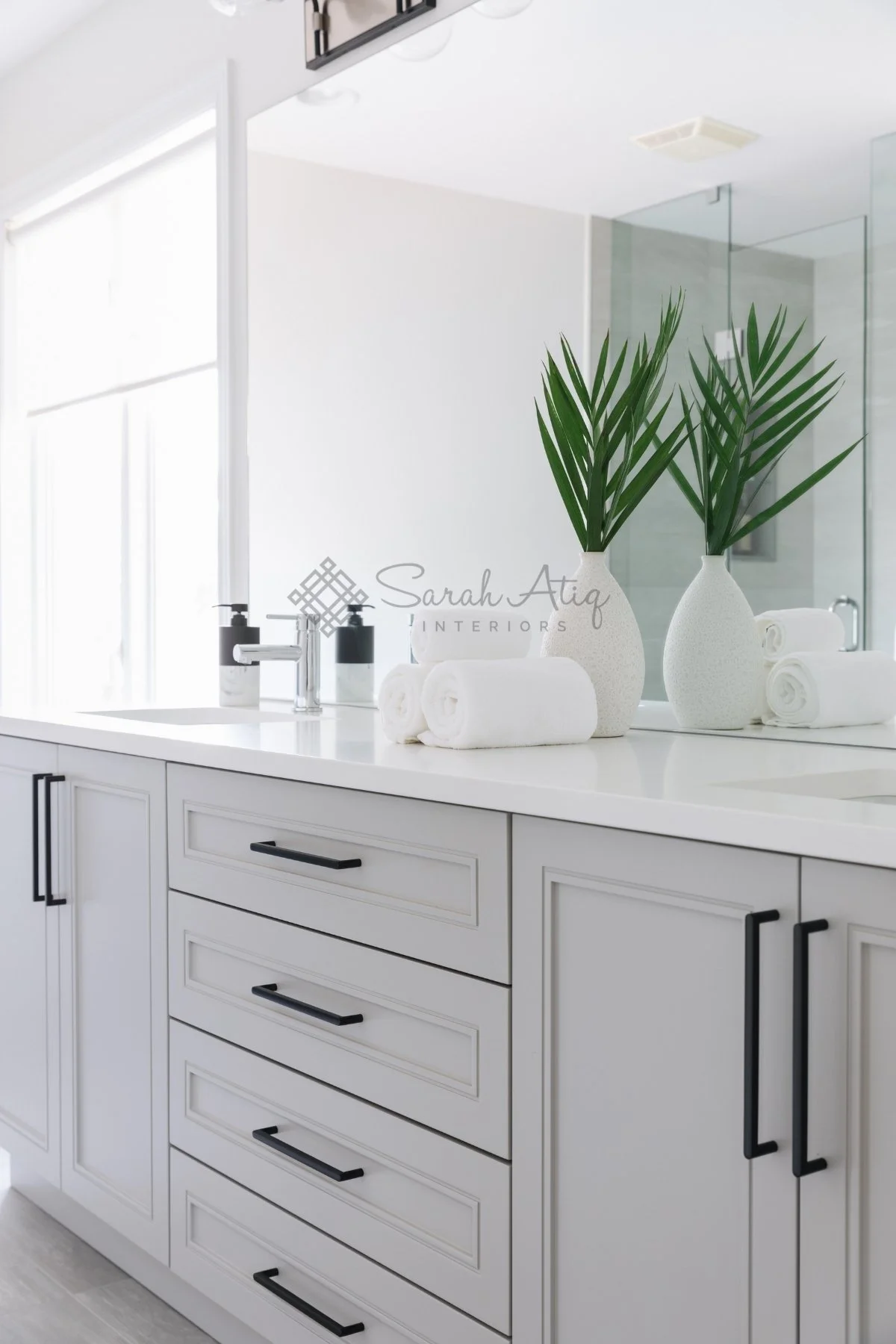
Why This Matters
In residential design, unity creates calm. It reduces visual noise and supports daily living.
In commercial design, unity builds trust. It reinforces brand identity and communicates professionalism before a word is spoken.
In both settings, unity creates confidence.
That, ultimately, is the purpose of thoughtful design.
Not perfection.
Not trend relevance.
But alignment.
If you are planning a renovation, new build, or commercial project in London, Ontario, beginning with a cohesive design plan will always yield a stronger result than selecting elements room by room. Thoughtful planning is where confident spaces begin.
As we continue this Design Foundations series, we’ll explore the next principle that quietly shapes how a space feels — often without us consciously recognizing it.
Until then, remember: beautiful pieces alone do not create beautiful spaces. Unity does.

If you are planning an upcoming renovation or furnishing project and would like clarity before making selections, a design consultation is often the most effective place to begin.